What to Expect from In-Home Canine Rehabilitation in Annapolis & Fort Meade
Updated: Sep 14

Imagine this: It's a rainy Tuesday morning in Annapolis. You're trying to get your golden retriever, Barnaby, into the car for his vet appointment. He usually loves car rides, but lately, he's been hesitating at the door, whining softly as if the thought of the bumpy ride makes his hips ache more than they already do.
You manage to get him buckled in, but halfway to the clinic, he's panting nervously, pressed against the window, and you can tell he's stressed out of his mind. By the time you arrive, he's exhausted before his treatment has even begun.
Now, imagine an alternative version of that morning. The rain is still tapping against the roof, but instead of a stressful car journey, Barnaby hears a friendly knock at your front door. He trots over, tail wagging slightly, and sees us waiting with our gear bag. Within minutes, we're in the comfort of your living room. There are no other dogs to sniff, no loud carrier doors slamming, and no motion sickness. Just you, your dog, and a calm space dedicated entirely to helping him feel better.
This isn't a fantasy; it's exactly what mobile canine rehabilitation looks like for pet owners here in Maryland. If you've been searching for "mobile canine rehab Annapolis" or "in-home dog mobility care Fort Meade," you're likely looking for a gentler way to help your furry best friend regain their strength without the chaos of leaving home. But before we step through your front door, there's a special process we follow to make sure we are the right fit for your dog's specific needs. Let's walk through exactly how that works.
How We Get Started: Your Records & Our Conversation
We believe that great care starts with a complete picture. To ensure your dog gets the safest and most effective program possible, our onboarding process is designed to be thorough before we ever schedule an in-home visit.
When you reach out to book your free 30-minute initial phone consultation, we ask that you have your dog's veterinary records from the last three years ready to upload. Why three years? Because mobility issues often develop slowly, or symptoms might appear after an older surgery or injury. Having this history allows us to see the full timeline of your dog's health without having to dig for details later.
Once we have those records, we hop on a call with you. This isn't a sales pitch; it's a partnership discussion. During this call, we'll chat about:
Who your dog is and what their personality is like.
What specific changes you've noticed at home and when they started.
What your current concerns are regarding their mobility.
This conversation helps us determine if our specialized services are the right solution for your dog. Maybe they need immediate medical intervention before rehab can begin, or perhaps our approach is exactly what will get them back on their feet. We never want to waste your time or money on a service that won't help, so this screening step ensures we only move forward when we know we can make a real difference.
What Does Canine Rehabilitation Actually Mean?
If the term "canine rehabilitation" sounds like something straight out of a veterinary sci-fi movie, don't worry—you aren't alone. At its core, canine rehab is about restoring movement, reducing pain, and improving quality of life through specialized therapeutic techniques. Think of it less like surgery and more like "recovery care" after an injury. It's about restoring strength, improving balance, and reducing pain so your dog can do the things they love again.
When we talk about rehab, we use a combination of therapeutic modalities to heal injuries, manage arthritis, or help dogs recover from surgery. Whether your dog has struggled with hip dysplasia for years or is healing up after a torn ligament, the goal is always the same: to increase their health span. That's not just how long they live, but how good those years feel. We want them running through the trails in Patapsco State Park or climbing onto your bed without a wince, not just existing in a sedentary state.
Signs Your Dog Might Need Help at Home
How do you know if your pup needs this kind of care? Sometimes the signs are obvious, like a leg limp. But often, dogs are masters at hiding pain. They are evolutionarily wired to look tough because showing weakness made them vulnerable in the wild. As an owner, you need to be a detective.
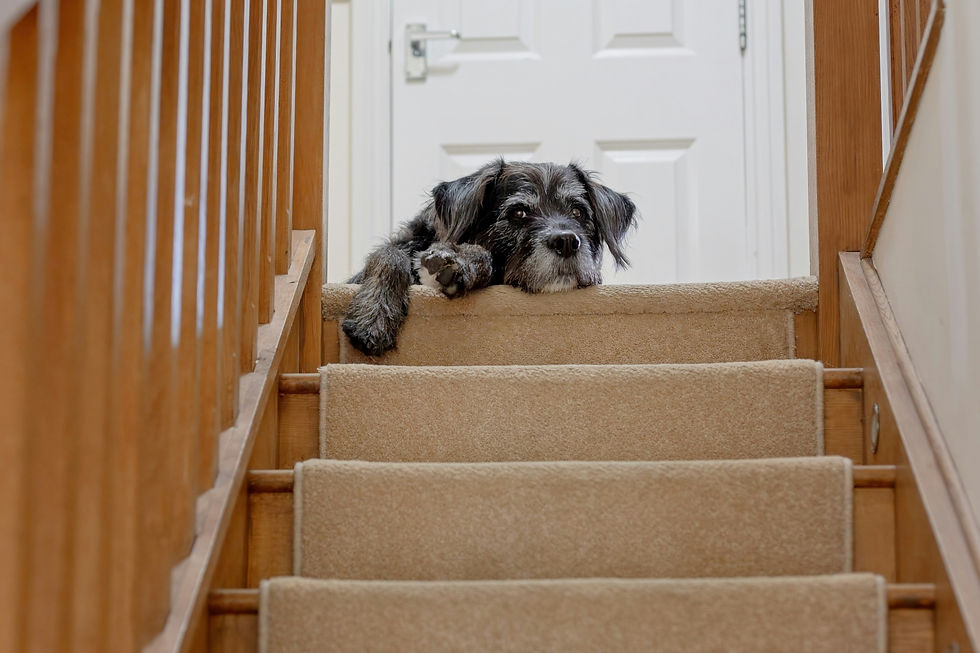
Have you noticed your dog taking longer to stand up from their favorite napping spot? Or perhaps they used to jump effortlessly onto the couch, but now they hesitate or take stairs one step at a time? These subtle changes are huge clues. Other common signs include a "bunny hop" when running, reluctance to go on walks they previously loved, or a noticeable change in posture where they lean more on their front legs.
You might also notice behavioral shifts. A dog in chronic discomfort can become irritable, snap when touched in certain areas, or seem generally withdrawn. If you're thinking, "My dog is just getting old," pause for a second. Aging is a factor, but pain is not inevitable. Just because a 14-year-old Labrador moves slower doesn't mean she has to suffer. If you're spotting these signs, it's time to bring in the experts. And honestly, if your dog gives you that look when you mention "vet clinic," let's skip the trip entirely and handle it at home.
What a Typical Session Looks Like in Your Living Room
So, you've completed the intake call, uploaded your records, and we've determined we are a great match. What happens next? First off, relax. There's no exam table, no cold stethoscope, and definitely no one shouting, "Get him in the cage!" When we arrive in your home—whether you're in Edgewater, Severna Park, Gambrills, or right near Fort Meade—we set up shop in whatever open space works best for you.
We start by reviewing the insights from your files and the phone call. Then, we perform a gentle hands-on assessment. We check your dog's range of motion, palpate their muscles for tension, and watch how they move around the room. It's thorough but designed to keep stress levels low.
Once we have a clear picture, we dive into the treatment plan tailored to your dog's specific needs:
Therapeutic Laser: This uses light energy to reduce inflammation and speed up healing. It's painless; most dogs find the sensation soothing enough to fall asleep mid-treatment.
Massage and Manual Therapy: We work directly on tight muscles and sore joints to improve circulation and flexibility. This is the part where dogs usually get very happy and try to roll over for belly rubs.
Customized Mobility Exercises: We teach you simple movements to practice at home between visits. This might be walking on uneven surfaces, weight-shifting drills, or slow-range motion activities. The goal is to build muscle safely.
We handle all the equipment ourselves, so you don't have to worry about setting up anything complicated. You just grab a cup of coffee (or tea) and watch your dog get pampered and healed.
Why Choose In-Home Over the Clinic?
There are undeniable perks to keeping your routine at home, especially for older or anxious dogs. The biggest win is stress reduction. A clinical environment is full of triggers: barking dogs in the next room, the smell of antiseptics, and the anxiety of being handled by strangers. For a senior dog in pain, that environment can actually worsen their condition before the treatment even starts. By eliminating the commute and the clinic noise, we hit the ground running.
Safety is another major factor. Carrying a painful dog into a car or having them navigate slippery clinic floors adds unnecessary risk. Doing rehabilitation in your home means we control the environment. We know your floor surfaces, and we can ensure your dog rests comfortably on their own bed immediately after the session. Plus, we save you the hassle of coordinating schedules and finding parking near busy medical centers. It's efficient, effective, and infinitely more comfortable for everyone involved.
Ready to Start Your Dog's Journey?
We invite you to take the first step toward better mobility for your best friend. Remember, the process begins with a simple connection. Please gather your dog's veterinary records from the last three years and reach out to us to schedule your free 30-minute discovery call.
During that call, we'll listen to your story, review the history together, and decide if our mobile clinic is the right partner for your dog's recovery. Whether it's post-surgery recovery, managing chronic arthritis, or simply wanting to boost their quality of life, early intervention is key.
Don't wait until your dog can barely walk down the driveway. The sooner we start, the better the outcomes tend to be. We serve a wide area including Annapolis, Fort Meade, Edgewater, Severna Park, and surrounding communities.
If you're ready to give your dog a new lease on life—or just a little more ease in their daily movements—let's chat. Send us a message, and we'll discuss the next steps to schedule your visit right to your front door. After all, the best hospital for your dog is probably your living room rug.

Comments